The Art of Handcrafting a Unique Leather Handbag
Creating a leather handbag by hand is more than just making an accessory. It’s about shaping a piece of art that carries personality, durability, and craftsmanship. When you dive into leather work, you discover a world where every cut, stitch, and finish tells a story. I want to share what I’ve learned about handcrafting leather handbags, so you can appreciate the skill and care behind each unique creation.
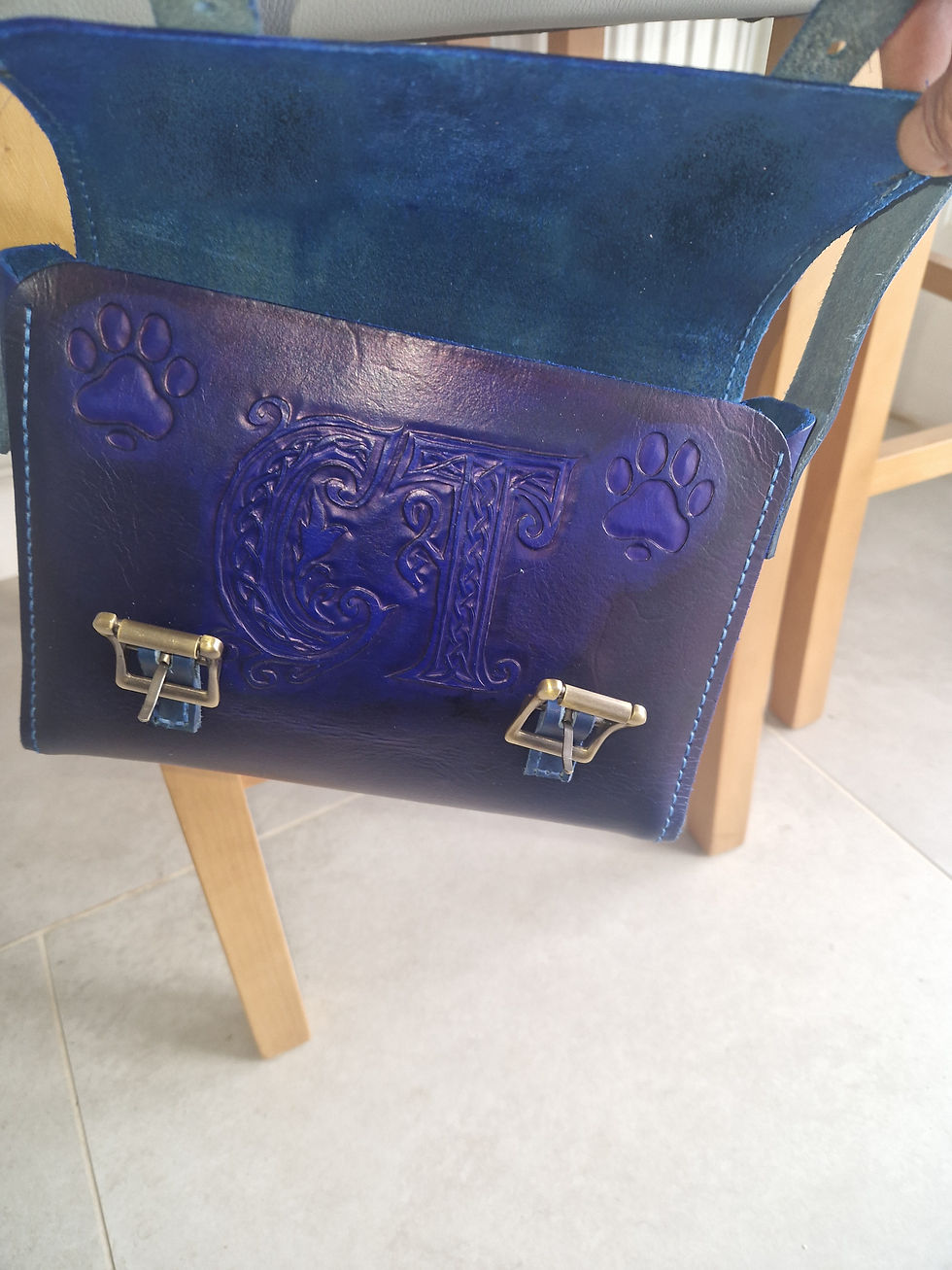
Choosing the Right Leather
The foundation of any great handbag is the leather itself. Not all leather is created equal, and selecting the right type affects the bag’s look, feel, and longevity. Here are some common types I recommend for handbag making:
Full-grain leather: This is the highest quality leather, retaining the natural grain. It ages beautifully and develops a unique patina over time.
Top-grain leather: Slightly sanded to remove imperfections, it’s smooth and flexible but less durable than full-grain.
Vegetable-tanned leather: Tanned using natural tannins, this leather is eco-friendly and offers a rich, earthy tone.
Chrome-tanned leather: More common and affordable, it’s softer but less breathable.
When I start a project, I always feel the leather’s texture and thickness. For handbags, I prefer leather that’s firm enough to hold shape but soft enough to handle easily during stitching.
Tools and Materials for Leather Work
Handcrafting a leather handbag requires specific tools that help you work precisely and efficiently. Here’s a list of essentials I keep on my workbench:
Cutting tools: A sharp rotary cutter or utility knife for clean edges.
Leather needles and thread: Waxed thread and strong needles designed for leather stitching.
Edge beveler: To round off the edges for a polished look.
Mallet and stitching chisels: To punch evenly spaced holes for stitching.
Burnishing tools: For smoothing and sealing edges.
Leather glue: To hold pieces temporarily before stitching.
Using the right tools makes leather work smoother and helps avoid mistakes that can ruin the leather or the bag’s structure.
Designing Your Handbag
Before cutting any leather, I sketch the handbag design carefully. This step is crucial because it defines the bag’s size, shape, and features like pockets, straps, and closures. Here are some tips I follow:
Keep the design simple if you’re new to leather work. Complex shapes require more skill and patience.
Consider the bag’s function: Will it be a tote, crossbody, or clutch? Each style demands different construction techniques.
Plan for hardware placement, such as buckles or zippers, early in the design.
Once the design is ready, I create a paper pattern to trace onto the leather. This helps ensure accuracy and consistency.
Cutting and Preparing the Leather
Cutting leather requires a steady hand and sharp tools. I place the leather flat on a cutting mat and use my pattern as a guide. It’s important to cut slowly and avoid jagged edges. After cutting, I bevel the edges to soften them, which gives the handbag a refined finish.
Next, I punch stitching holes using chisels and a mallet. This step ensures the stitches will be evenly spaced and strong. I also burnish the edges with a slicker tool, which smooths the leather and seals it against moisture.
Stitching Techniques in Leather Work
Stitching is where the handbag truly takes shape. I use a saddle stitch method because it’s durable and looks neat on both sides. Here’s how I approach it:
Thread two needles on each end of a waxed thread.
Pass the needles through the same hole from opposite sides.
Pull tight to create a strong stitch that won’t unravel.
This hand stitching takes time but results in a bag that can last for years. Machine stitching is faster but doesn’t offer the same strength or character.
Adding Hardware and Finishing Touches
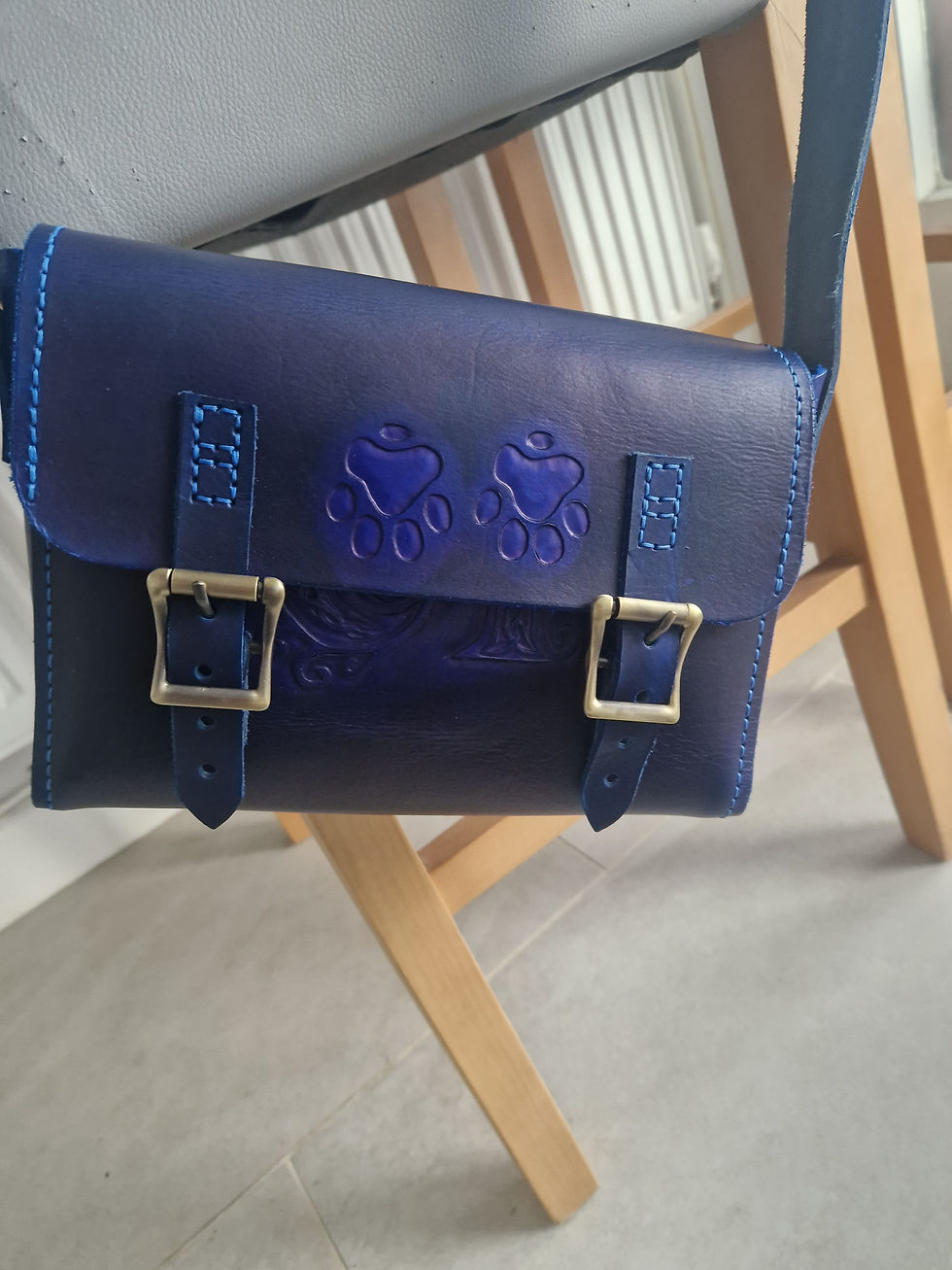
After stitching the main body, I attach hardware like buckles, snaps, or zippers. These elements add functionality and style. I use rivets or screws designed for leather to secure hardware firmly.
Finally, I apply a leather conditioner to keep the material supple and protected. This step also enhances the leather’s natural color and texture.
Why Handmade Leather Handbags Matter
Handcrafting a leather handbag is a rewarding process that connects you to tradition and quality. Unlike mass-produced bags, handmade pieces have character and individuality. Each stitch reflects the artisan’s skill and care.
For crafters, leather work offers a chance to develop patience, precision, and creativity. The satisfaction of turning raw leather into a beautiful, functional handbag is unmatched.
If you want to start your own leather handbag project, begin with small pieces and simple designs. Practice stitching and edge finishing before moving on to complex bags. Over time, you’ll build confidence and create pieces that are truly your own.


Comments